Desperate Marketing Stunts Emerge
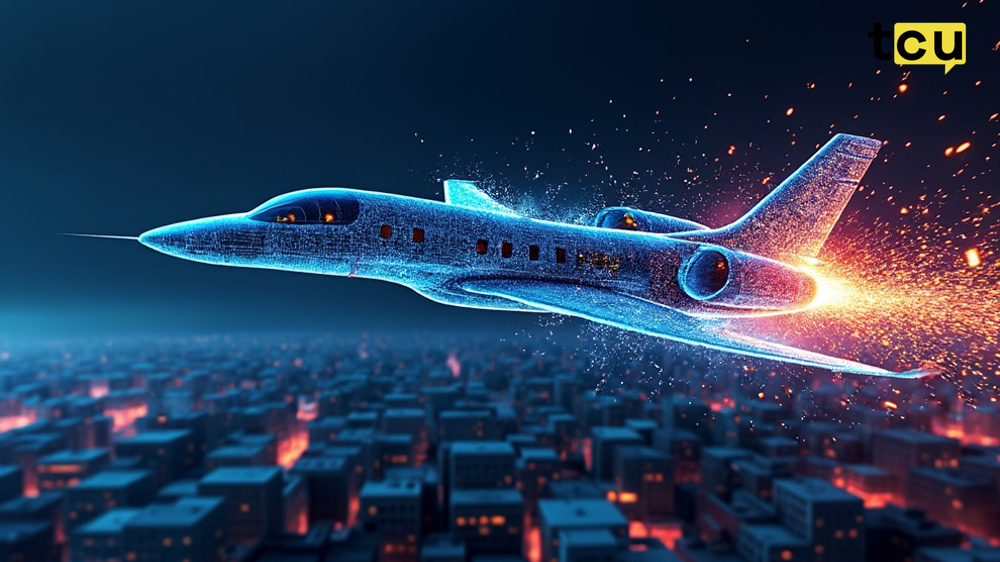
Pump Fun streamers have apparently resorted to increasingly theatrical stunts as the memecoin platform faces significant declines across key metrics. A group of streamers recently filmed themselves in a rented private jet mock-up and staged a crash scenario, though the footage was clearly artificial. The clips circulated on social media, baiting users into pointing out the obvious fakeness—which might have been the entire point from the beginning.
Looking at the video, it wasn’t particularly convincing. The jet’s flooring looked cheap, and the streamers even shared exterior shots of the set, making the deception rather transparent. Users quickly identified that the fake jet belonged to FD Photo Studio in Los Angeles, a company that rents out various sets and backdrops. The specific “Olympic 4” private jet set used by streamers like SolJakey, Never Goon, MiniKon, and OG Shoots costs about $34.99 per hour to rent.
Platform Metrics Show Significant Decline
This jet stunt appears to be part of a broader pattern of desperate promotional attempts as Pump Fun struggles to maintain its momentum. The platform’s own token has seen its market cap drop 41% over twelve days, falling from an all-time high of $3 billion to around $1.8 billion. That’s a substantial decline in a relatively short period.
Data from Dune analytics shows daily token launches dropping from 30,000 in mid-September to below 20,000 recently. Perhaps more concerning is the graduation rate—the percentage of tokens that succeed—which has fallen to just 0.53%. Meanwhile, daily revenue has plummeted from a high of $2.4 million in mid-September to below $1 million this week. Trading volume tells a similar story, declining from $263 million to under $100 million during the same period.
Increasingly Extreme Promotional Tactics
Despite the influx of streamers promoting the platform, the numbers continue to trend downward. We’ve seen streamers setting themselves on fire, promoting tokens in front of the Hollywood sign, and even erecting golden statues of Donald Trump holding Bitcoin symbols. These extreme tactics suggest that conventional marketing approaches aren’t working as effectively as they once did.
The platform, which launched its token on July 12, has spent over $114 million buying back its own token to help stabilize the falling price. They also introduced a creator reward system that allocates funds from successful tokens to their creators. But these measures don’t seem to be reversing the overall trend.
It makes you wonder about the sustainability of such platforms when they need increasingly outrageous stunts just to maintain attention. The fake jet crash might generate some short-term buzz, but it doesn’t address the underlying issues affecting the platform’s performance. As metrics continue to decline across the board, one has to question whether theatrical marketing can substitute for genuine platform growth and user engagement.