

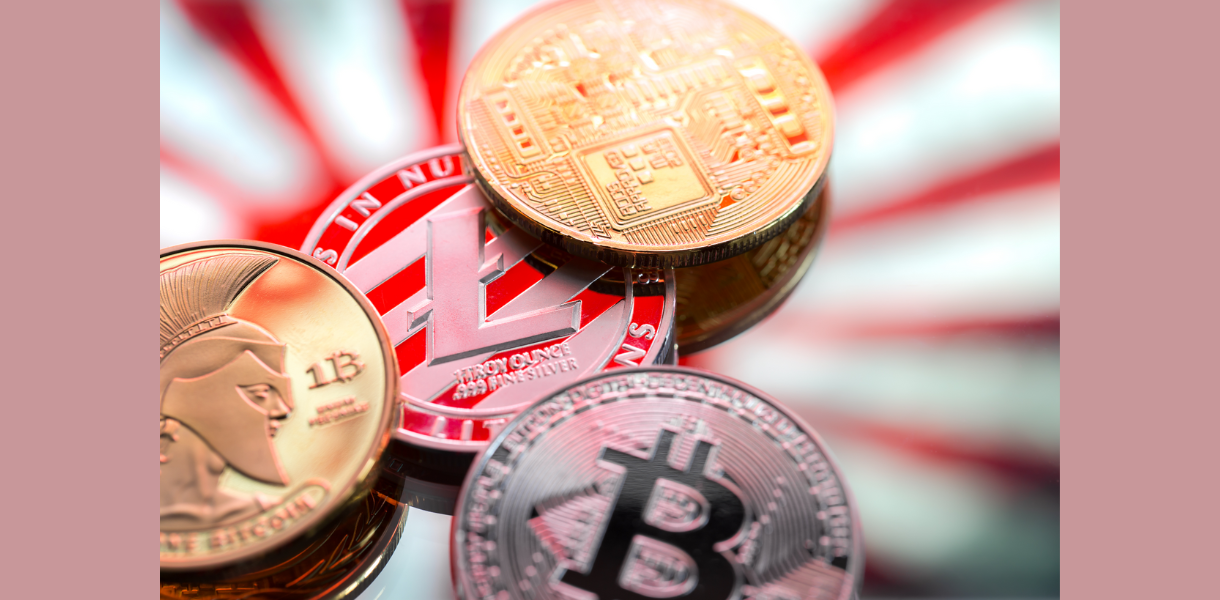
A year ago, stablecoins were a digital asset that found acceptance primarily on the periphery of the cryptocurrency universe. More recently, however, lawmakers have taken some steps that have boosted the popularity of stablecoins, giving them a more prominent role in the world of crypto assets. In fact, the steep increase in interest in stablecoins has led to concerns that they could soon have an impact that extends far beyond the realm of cryptocurrencies.
The early years: Stablecoins help cryptocurrency traders with Bitcoin transactions
Stablecoins emerged from a desire to pair the decentralized nature of digital currencies with the stability of fiat currencies. Its creators achieved that goal “because their value is pegged to real-world assets, like the [US] dollar,” according to CBS News.
“To support enhanced stability, those issuing stablecoins must maintain reserve assets that are equal to the amount of coins in circulation,” explains Jai Bifulco, CCO of Kinesis. “The reserve is what separates stablecoin from other virtual currencies whose value is subject to extreme volatility.”
Kinesis is an entirely new monetary system based on the proven physical value of precious metals. By leveraging blockchain to digitize gold and silver, Kinesis reintroduced the enduring value of precious metals to the masses through an accessible and easy-to-use platform. Its two flagship digital currencies, Kinesis Gold (KAU) and Kinesis Silver (KAG), allow users to spend, trade, send, and earn physical metals anywhere in the world.
“Early on, stablecoins were a favorite of Bitcoin traders looking for a way to escape extreme downturns without conducting the complicated transactions required to completely exit the world of decentralized finance,” Bifulco says. “By exchanging Bitcoin for stablecoins, they could stop their losses while still keeping their funds in digital form. Stablecoins were a key component of crypto investing, but due to their utility rather than their investment potential.”
The GENIUS Act: How digital assets became a player in the T-bill market
Despite their value within the cryptocurrency space, traditional investors and financial institutions have generally kept their distance from stablecoins due to the lack of regulation extended to blockchain technologies. But that changed in July 2025 when the US passed the Guiding and Establishing National Innovation for US Stablecoin (GENIUS) Act.
“The new law sets a foundation for the regulation of stablecoins that brings them into the mainstream of US finance,” says Bifulco. “The GENIUS Act promises a strong future for stablecoin.”
As explained by the White House Fact Sheet, the act “creates the first-ever Federal regulatory system for stablecoins, ensuring their stability and trust through strong reserve requirements.” The White House also announced that the act would allow stablecoins to “play a crucial role in ensuring the continued global dominance of the US dollar” by “driving demand for US Treasuries.”
The act triggered a surge in stablecoin investment, which sparked the growth of stablecoin reserves. And because the top stablecoins use US Treasury bills (also known as “T-bills”) as their reserve, the growth also sparked investment in T-bills. Tether, one of the leading stablecoins pegged to the US dollar, reports that it now holds nearly $127 billion in Treasuries, making it the 18th-largest holder of US T-bills in the world.
Stablecoin investments: How cryptocurrencies could impact Treasury yields
The growth of the stablecoin market has the potential to impact T-bills in a number of ways, starting with yields. When a stablecoin issuer buys a large volume of T-bills, it pushes prices up. And because T-bill prices and yields move inversely, the increase in price means a decrease in yields. Conversely, if stablecoin sell-offs prompt issuers to liquidate their T-bills, yields will increase.
“As stablecoin issuers increase their volume of T-bill buying, they also gain the capability to influence T-bill auctions,” Bifulco explains. “They could bring considerable change to the dynamics of the auction process if they become a viable competitor with banks and money market funds since their interest in Treasuries is based on their need for reserves and not on Treasury market fluctuations.”
Market shocks: Understanding cryptocurrency risks in the age of stablecoins
While investors are likely to appreciate the stability and trust that emerging regulations promise to bring to the stablecoin market, they also recognize that investing in cryptocurrency carries its own risks. The good news is that the changes currently underway in the stablecoin space have the potential to minimize those risks.
“De-pegging is a risk those who are experienced with cryptocurrency trading are familiar with,” Bifulco says. “It involves a price change that deviates significantly from the value of the asset the stablecoin tracks. While this has shaken the stablecoin market in the past, the higher level of sophistication in the market today makes de-pegging less likely to occur.”
Concentration risk is another threat that could cause some to reject stablecoins as a good investment. Today’s market is dominated by a few key players, which means a setback with just one issuer could lead to a lack of confidence in the market. However, the growing interest in stablecoins is prompting the emergence of more issuers, which will drive a greater level of diversification and a lower risk of concentration.
The changes happening in the stablecoin environment point to a future in which traditional and digital assets share a greater connection. For investors, understanding how that connection will impact markets at large is essential.
“The evolution of stablecoins is yet another reminder that cash is changing,” Bifluco says. “New laws are opening the door to a new infrastructure built around the next generation of financial assets. Investors who are willing to look beyond traditional currencies and embrace more modern forms of money will be able to benefit from a wealth of new opportunities.”