Polkadot and Avalanche each offer unique advantages in the blockchain world. Polkadot enables scalable multi-chain architecture through parachains and relay chains. Avalanche delivers near-instant finality and low-latency transactions through its Snowman consensus engine. Yet both systems carry trade-offs — complex validator requirements, network fragmentation, or hardware-based barriers to entry.
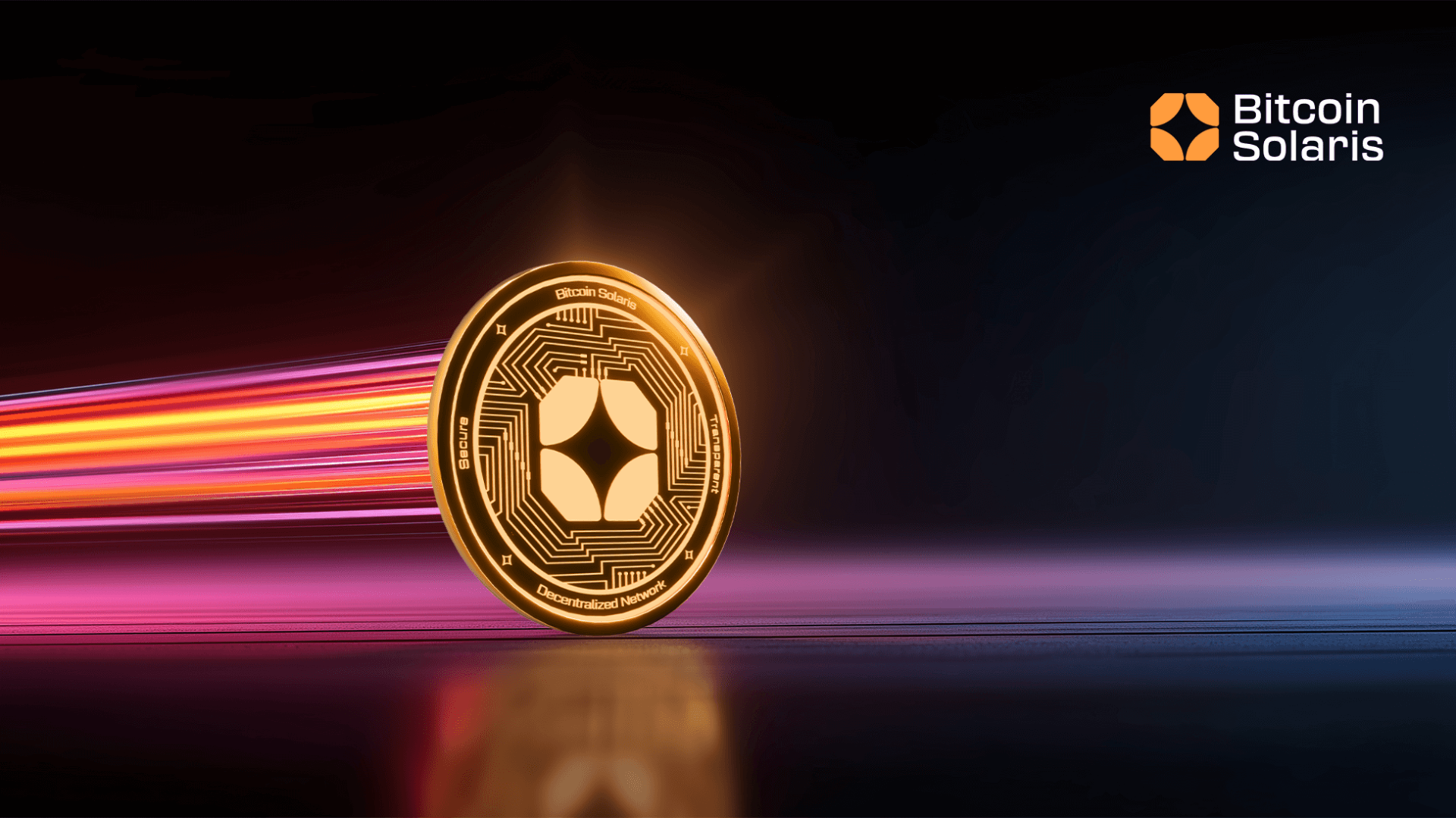
Bitcoin Solaris has taken those strengths and reengineered them into a single, mobile-accessible blockchain, powered by a new hybrid framework called the Helios Consensus Protocol. This design blends Avalanche’s speed, Polkadot’s layered logic, and Bitcoin’s proven scarcity model — delivering a network that finalizes quickly, scales efficiently, and remains fully accessible, even from a smartphone.
What Helios Does Differently
The Helios Consensus Mechanism is not a copy of existing models — it’s a composition of four proof systems that work in unison:
- Proof of Stake (PoS) manages validator selection without relying on extreme hardware or lock-in periods.
- Proof of Capacity (PoC) enables energy-efficient mining by using pre-allocated storage instead of continuous computation.
- Proof of History (PoH) adds fast, timestamp-based ordering to ensure transaction sequencing before consensus.
- Proof of Time (PoT) synchronizes finality with minimal latency, reducing the risk of forks or confirmation delays.

This structure allows Bitcoin Solaris to maintain high throughput, with over 10,000 transactions per second, while keeping power consumption and participation barriers low. Unlike Polkadot’s parachains or Avalanche subnets, all activity on Bitcoin Solaris takes place within a unified, dual-layer system — making integration, mining, and staking simpler and more direct.
Speed Meets Simplicity
Avalanche is known for sub-second finality, but that speed often comes at the cost of network complexity and hardware demand. Validators must run high-performance machines and remain online continuously. Polkadot offers chain specialization, but its structure requires parachain auctions, governance intervention, and separate consensus logic for each chain.
Bitcoin Solaris reduces this complexity. Helios allows every node — whether it’s a validator, miner, or mobile app — to participate in the same consensus logic. There’s no need for auctions, relay chains, or hardware clusters. Finality occurs within seconds, and transaction sequencing happens before validation, increasing efficiency and removing redundancy.
A Protocol Designed for Users, Not Just Networks
Where Polkadot focuses on network architecture and Avalanche emphasizes speed, Bitcoin Solaris centers the user. Through the upcoming Nova App, individuals will be able to mine BTC-S tokens, validate blocks, and interact with smart contracts — all from their phones.

The app uses Proof-of-Capacity to handle mobile mining tasks. A user simply commits a few gigabytes of storage and idle CPU time, and the app automatically contributes to the Base Layer of the chain. No staking threshold. No hardware barriers. This ensures that participation scales horizontally, rather than concentrating in the hands of high-resource operators.
To see how the hybrid model compares in practice, Crypto Royal provides a full breakdown of Helios and what makes it different from Avalanche and Polkadot.
Secure, Audited, and Open
Bitcoin Solaris’s Helios protocol and supporting contracts have already passed multiple independent audits:
There are no opaque governance structures or third-party validators controlling access. Everything — staking, mining, block selection — is determined algorithmically and visible on-chain.
Presale: Final Phase 1 Opportunity
Bitcoin Solaris has a fixed total supply of 21 million BTC-S tokens, matching Bitcoin’s scarcity logic. Only 4.2 million BTC-S (20%) are allocated for the presale.
We’re currently in Phase 1, where tokens are offered at 1 USDT each. Once Phase 1 ends, the price doubles to 2 USDTin Phase 2. No tiers, no private rounds — just clean early access. With demand accelerating, this phase will close soon.
How to Join
1 — Visit bitcoinsolaris.com
The official presale dashboard includes wallet connection, token data, and contract verification.
2 — Connect a Solana-Compatible Wallet
Use Phantom, Solflare, or any Solana-supported wallet.
3 — Purchase BTC-S at 1 USDT
Buy directly during Phase 1 to secure tokens before the price increases.
4 — Prepare for Nova App Launch
Once live, the app will allow you to mine BTC-S and earn yield directly from your device.
5 — Stake, Hold, or Mine
Your tokens are live on-chain. Put them to work or hold for long-term value.
6 — Follow Project Updates
Join the Bitcoin Solaris community via X and Telegram for roadmap updates and validator expansion.

Avalanche brought speed. Polkadot brought architecture. Bitcoin Solaris brings both—together, in a system you can join without a datacenter or delegation. And it’s only just getting started.
Website: https://bitcoinsolaris.com/
X: https://x.com/BitcoinSolaris
Telegram: https://t.me/Bitcoinsolaris