
Introduction
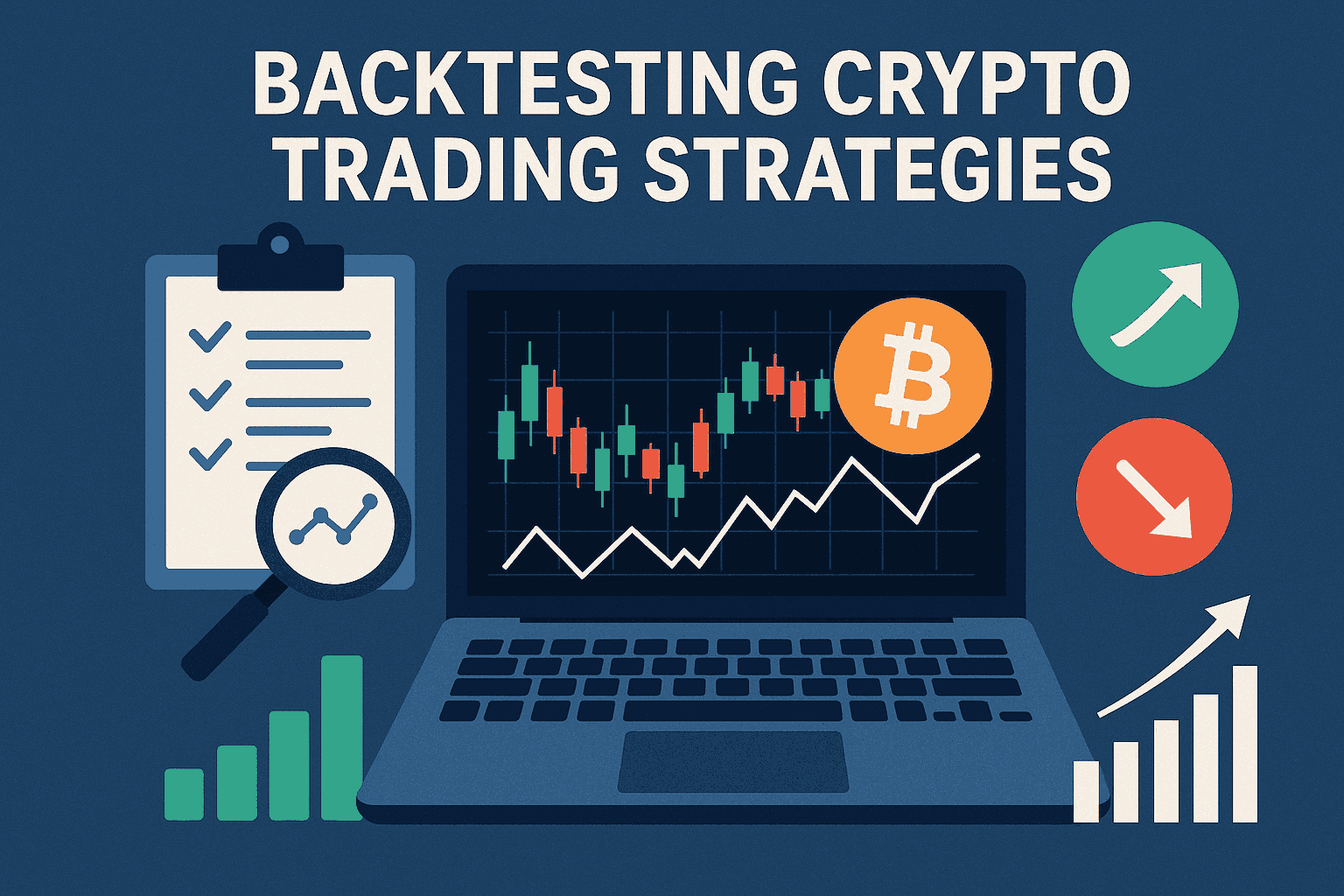
In the fast-paced and volatile world of cryptocurrency trading, developing a robust trading strategy is essential for long-term success. However, crafting a strategy without validating its effectiveness can lead to significant losses. This is where backtesting comes into play. Backtesting is the process of applying a trading strategy to historical market data to evaluate its potential performance before risking real capital.
For crypto traders, backtesting is particularly valuable given the market’s extreme volatility and the diversity of available assets. By simulating trades on past price movements, traders can identify strengths, weaknesses, and the overall profitability of their strategies. Moreover, the rise of advanced analytical tools and AI-powered platforms like quantum ai has made backtesting more accessible and insightful than ever.
This article explores the importance of backtesting in crypto trading, outlines how to conduct it effectively, discusses common pitfalls, and highlights how to leverage modern technology to optimize your strategy.
What is Backtesting?
Definition and Purpose
Backtesting involves applying a predefined trading strategy to historical market data to assess how it would have performed in the past. This process helps traders:
- Gauge potential profitability and risks
- Understand drawdown and volatility characteristics
- Identify optimal entry and exit points
- Refine parameters to improve performance
Why Backtesting is Critical for Crypto Traders
Cryptocurrency markets operate 24/7 and are influenced by numerous unpredictable factors such as regulatory changes, market sentiment, and technological developments. Unlike traditional markets, crypto assets often exhibit sharp price swings and less liquidity, making it vital to test strategies extensively before live deployment.
How to Backtest Crypto Trading Strategies
Step 1: Define Your Strategy Rules
Clearly specify the entry, exit, stop-loss, and take-profit conditions. For example, a strategy might be:
- Buy when the 50-day moving average crosses above the 200-day moving average.
- Sell when the RSI (Relative Strength Index) exceeds 70.
Step 2: Select Historical Data
Choose reliable and comprehensive historical price data, including:
- Price (open, high, low, close)
- Volume
- Timeframe (minute, hourly, daily)
Platforms like Binance or Coinbase Pro offer extensive datasets, and quantum ai integrates historical data with AI to enhance backtesting precision.
Step 3: Run the Simulation
Using backtesting software or coding scripts (Python, R), simulate trades based on your strategy over the selected data. Record all trade outcomes, profits, losses, and drawdowns.
Step 4: Analyze the Results
Evaluate key performance metrics:
- Win rate: Percentage of profitable trades
- Profit factor: Ratio of gross profits to gross losses
- Maximum drawdown: Largest peak-to-trough loss
- Sharpe ratio: Risk-adjusted return measure
This analysis reveals how reliable and profitable your strategy might be under different market conditions.
Common Challenges and Pitfalls
Overfitting
A frequent error is tailoring the strategy too closely to historical data, which may yield great backtest results but fail in live markets. Overfitting reduces adaptability to new market environments.
Survivorship Bias
Using datasets that exclude delisted or failed cryptocurrencies can skew results positively, as only successful assets remain in the data.
Ignoring Transaction Costs
Failing to account for trading fees, slippage, and liquidity can significantly reduce actual profitability.
Data Quality and Integrity
Poor or incomplete data can distort backtest outcomes, so sourcing accurate and high-resolution data is crucial.
Advantages and Disadvantages of Backtesting
Advantages
- Risk-free environment to test strategies
- Saves time and capital by filtering poor strategies early
- Helps build confidence before going live
- Identifies potential weaknesses and market conditions where the strategy underperforms
Disadvantages
- Past performance is not always indicative of future results
- May not fully capture real-world issues like slippage or sudden market shifts
- Time-consuming without automated tools
Enhancing Backtesting with AI
Emerging platforms like quantum ai incorporate machine learning to analyze vast datasets and optimize trading strategies more efficiently. AI models can detect complex patterns, adapt to evolving market dynamics, and reduce human error in strategy formulation and backtesting.
Conclusion
Backtesting is a vital step in developing effective crypto trading strategies. It provides valuable insights into potential profitability and risk, helping traders refine their approach before risking real money. However, it requires careful attention to data quality, realistic assumptions about costs, and awareness of common pitfalls like overfitting.
Leveraging advanced technology, particularly AI-powered platforms such as quantum ai, can elevate the backtesting process by delivering more accurate predictions and adaptive strategy tuning.