

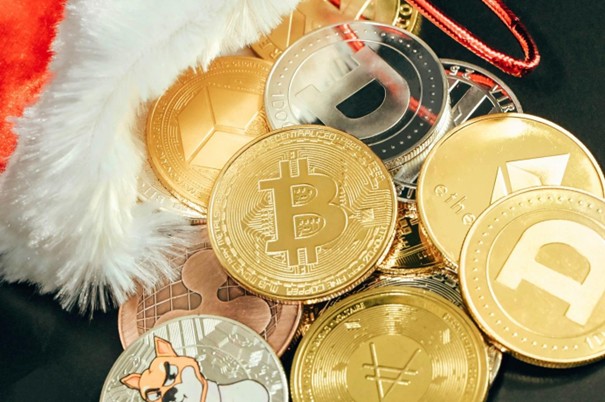
The XRP token is among the first cryptocurrencies ever developed. It was created to offer instant and cheap cross-border transactions. The XRP Ledger and the XRP token were launched in 2012, and since then, XRP has transformed into one of the most important cryptocurrencies, enabling easy, fast, and secure transactions worldwide. XRP is often associated with the name Ripple, the company whose services include the Ripple Consensus Ledger, the Ripple Transaction Protocol, and the Ripple network.
Ripple is a company that uses XRP tokens in its operations, offering fast, efficient, and reliable solutions. Over the years, XRP has experienced many ups and downs, but it has managed to overcome even those moments that could negatively impact its evolution. Before adding this cryptocurrency to your portfolio, you must stay updated with the XRP news today and the features that make this digital coin stand out from the other cryptocurrencies. This is exactly what we will discover in this article, so keep on reading.
What are the unique features of XRP that make it stand out?
Ledger system
Cryptocurrencies have a ledger to keep track of their movements. Each cryptocurrency has a unique consensus mechanism to validate its transactions, which differs from one to the other. Thanks to these consensus mechanisms, the ledger can confirm the legitimacy of a transaction and add new coins to it.
The XRP Ledger uses the XRPL Consenus, or Federated Consenus, which allows cheaper and faster transactions. The advantage of this over the other examples is that it consumes less energy and allows cheaper and faster transactions. Additionally, XRP has a Unique Node List (UNL) with trusted validators.
Use cases
Among the most popular use cases for XRP is that it allows participants from all over the world to make international payments cost-efficiently, reliably, and quickly. This makes XRP suitable in numerous areas, including for businesses, institutions, and governments. Other than that, you can use XRP for everyday payments, crypto liquidity, and access to Ripple’s main services. XRP can also be considered an investment opportunity and held in virtual wallets until its value appreciates even more.
A comparison between XRP and Bitcoin: Key differences
Transaction speed and costs
One of the most important differences between XRP and Bitcoin lies in their transaction speed and costs. Bitcoin (BTC) has a transaction time of around 10 minutes. However, in periods of high demand, Bitcoin’s transaction times can take even longer, which also leads to increased fees.
On the other hand, transactions with XRP are generally completed within 3 to 5 seconds. The fees are very low compared with Bitcoin, and they stay quite constant regardless of the market network. XRP is suitable for international payments because of its great cost efficiency and speed.
The control of the platform
Bitcoin is a cryptocurrency that emphasizes decentralization. Control is in the hands of node operators and a global community of miners. Bitcoin is not owned by any central authority or government, which removes the need for intermediaries.
XRP, on the other hand, was launched by RippleLabs, which holds a substantial share of the tokens and influences the use and development of the network. Compared with Bitcoin, XRP is less decentralized.
Accessibility
Between the two, Bitcoin has been more widely adopted. The reasons for this are numerous, but among the most popular ones are its first-mover advantage, widespread media coverage, and significant market capitalization. When people think about cryptocurrencies, they most likely associate Bitcoin with this landscape, which proves its important role in the crypto realm.
On the other hand, even though XRP launched a few years after Bitcoin, this cryptocurrency is not as popular as BTC. The legal case with the SEC had negative consequences for its evolution. However, XRP has the potential to increase more in the future, especially because it can benefit from partnerships with financial institutions.
A comparison between Ethereum and XRP: Main differences
Consensus mechanisms
Ethereum works with a Proof-of-Stake (PoS) consensus mechanism, where users need to stake an amount of Ethereum tokens to be able to add new blocks and validate transactions. This is an improved alternative to the Proof-of-Work (PoW) model, which was condemned for its huge electrical consumption. XRP is different from the other digital coins in the sense that it uses a Federal Byzantine Agreement (FBA) mechanism that works with the help of a unique node list with authorized auditors that can verify transactions without implying processes like mining or staking.
Tokenomics
Ethereum has an unlimited supply, which makes this digital token an inflationary asset. Despite this feature, Ethereum still maintains a high value because it encourages the use of decentralized applications and other interesting services that work thanks to blockchain technology.
In comparison with Ethereum, XRP has a limited supply of 100 billion tokens, and the total number of coins has already been mined. Ripple Labs releases them gradually, with a goal of releasing 1 billion digital coins monthly. However, with 55 billion tokens kept in escrow, this process will last longer, as we also need to consider the unsold digital coins that return to escrow.
Scalability
Ethereum can only process 15-30 transactions per second, which is one of the platform’s shortcomings. Layer two solutions that run on top of Ethereum and process transactions off-chain before finally writing them on the Ethereum blockchain could help improve its transaction speed. On the other hand, XRP is very fast, and it can process around 1,500 transactions per second. This makes the XRP Ledger among the fastest blockchains in terms of processing payments.
The bottom line
XRP is indeed an interesting digital currency in the crypto realm. It was among the first digital coins and has managed to become an important cryptocurrency that has attracted the attention of a large audience. Compared with other virtual coins, XRP has advantages and disadvantages, which shows that each crypto is unique and can cater to individual and special needs.